
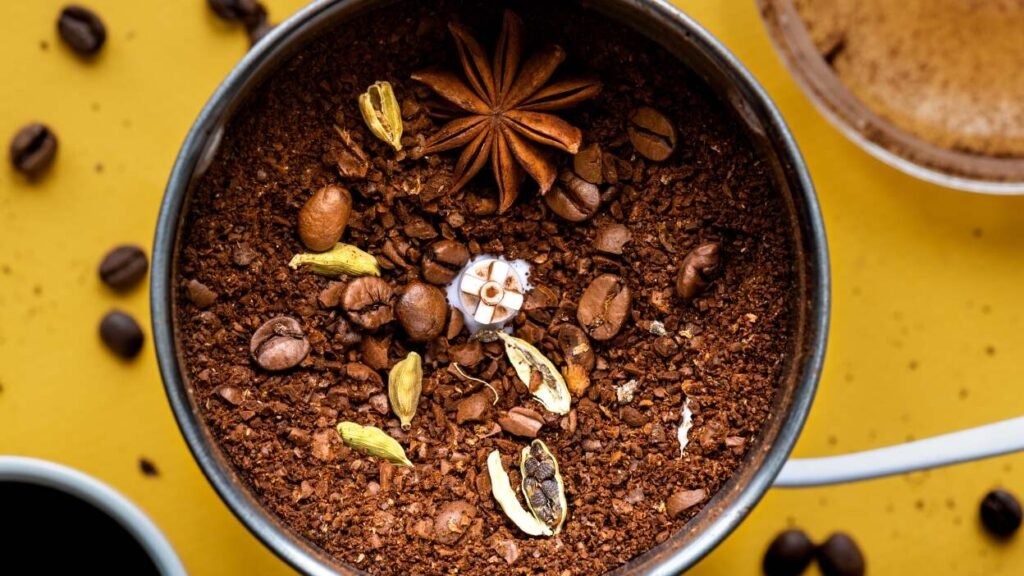
How to Create Your Own Spice Blends Using a Coffee Grinder?
I’ll never forget the moment I discovered my coffee grinder’s secret second life. After years of buying mediocre pre-ground spices that lost their magic within weeks, I stumbled upon the revelation that my morning coffee apparatus could unlock flavors I never knew existed in my spice cabinet. Through years of experimentation in my test kitchen and countless batches of custom blends, I’ve perfected the art of spice grinding that will transform your cooking from ordinary to extraordinary with the technique to create your own spice blends using a coffee grinder.
Why a Coffee Grinder Becomes the Perfect Spice Tool
Understanding the mechanics reveals why this works so well:
- Blade design: Creates ideal turbulence for even grinding
- Contained environment: Prevents precious spice oils from escaping
- Power-to-size ratio: Handles tough spices effortlessly
- Easy cleanup: Simple design with minimal nooks for residue
Key Spice Science Terms
- Volatile oils: The flavor compounds that evaporate quickly
- Maillard reaction: Enhanced when spices are freshly ground
- Terroir: How growing conditions affect spice flavors
- Synergy: How spice flavors combine to create new notes
Step-by-Step Spice Grinding Method
Choosing the Right Grinder
- Dedicated unit: Never use the same grinder for coffee and spices
- Blade type: Standard blade grinders work best (not burr grinders)
- Capacity: 50-100g capacity handles most batches
- Material: Glass or metal bowls prevent flavor absorption
The Perfect Grinding Process
- Start with whole, high-quality spices
- Add to clean, dry grinder (fill no more than halfway)
- Use pulse method: 2-3 second bursts
- Shake between pulses for even grinding
- Check consistency frequently
- Transfer immediately to airtight container
Pro Tip: Freeze tougher spices (cinnamon, star anise) for 15 minutes before grinding
Essential Spice Blend Recipes
All-Purpose Magic Dust
- 3 tbsp black peppercorns
- 2 tbsp coriander seeds
- 1 tbsp cumin seeds
- 1 tbsp mustard seeds
- 2 tsp fennel seeds
Mediterranean Sunshine
- 2 tbsp dried oregano
- 1 tbsp dried thyme
- 1 tbsp dried rosemary
- 2 tsp dried marjoram
- 1 tsp red pepper flakes
Asian Inspiration
- 3 tbsp Szechuan peppercorns
- 2 tbsp star anise pieces
- 1 tbsp cinnamon pieces
- 1 tbsp cloves
- 2 tsp cardamom pods
Grinding Time Guide
| Spice Type | Pulse Count | Texture | Special Instructions |
|---|---|---|---|
| Soft seeds | 5-7 pulses | Fine powder | None needed |
| Hard seeds | 10-12 pulses | Coarse grind | Freeze first |
| Whole spices | 8-10 pulses | Medium grind | Break large pieces |
| Leaf herbs | 3-4 pulses | Flaky | Don’t overprocess |
The Science Behind Fresh Grinding
Three transformative processes occur:
- Cell rupture: Releases encapsulated flavor compounds
- Oxidation: Controlled exposure develops complexity
- Oil distribution: Even coating potential increases
Troubleshooting Common Issues
Problem: Uneven grinding
Solution: Shake more vigorously between pulses
Problem: Spice dust escaping
Solution: Place paper towel over opening
Problem: Motor overheating
Solution: Use shorter pulses and rest between
Problem: Residual flavors
Solution: Clean with rice grinding method
Advanced Techniques
For professional results:
- Toasting first: Enhance nuts and seeds before grinding
- Layering flavors: Grind in stages for complex blends
- Temperature control: Chill grinder bowl for oily spices
- Moisture management: Add salt to prevent clumping
Storage and Preservation
- Dark glass jars: Protect from light degradation
- Cool location: Away from stove and sunlight
- Small batches: Make what you’ll use in 2-3 months
- Labeling system: Date and contents clearly marked
Creative Applications
Beyond basic seasoning:
- Spice rubs: For meats and vegetables
- Infused salts: Blend with coarse salt
- Tea blends: With dried herbs and flowers
- Baking spices: Freshly ground for desserts
FAQs
Q. Can I use a burr coffee grinder instead?
A. Not recommended – burr grinders are designed for uniform particle size, not spice blending.
Q. How do I clean the grinder between spices?
A. Grind uncooked rice until white, then wipe with dry cloth.
Q. Will this work for wet spices like ginger?
A. No – only dry spices. Wet ingredients will damage the grinder.
Q. Can I grind salt and sugar too?
A. Yes, but clean thoroughly afterward as they can corrode blades.
Q. How fine can I get the grind?
A. Very fine, but some spices will naturally be slightly coarse due to oil content.
Historical Context
Spice grinding evolution:
- Mortar and pestle: Ancient traditional method
- Stone mills: Medieval technological advance
- Industrial grinding: 19th century mass production
- Home grinding: Late 20th century accessibility
Alternative Methods Compared
When coffee grinder isn’t available:
- Mortar and pestle: Best for small quantities
- Spice mill: Dedicated but expensive
- Blender: For larger batches only
- Pre-ground: Last resort option
Safety Tips
- Unplug always: When loading or cleaning
- Avoid moisture: Completely dry spices only
- Watch heat: Don’t overwork the motor
- Secure lid: Ensure it’s properly locked before operating
Final Thoughts
That coffee grinder sitting on your counter holds the key to flavor revelations you never knew possible. I’ve served dishes made with freshly ground spices to professional chefs who couldn’t believe the depth of flavor achieved with such simple equipment. The difference between pre-ground and freshly ground spices isn’t subtle – it’s the difference between hearing a symphony through a wall and having front-row seats at the concert.
Remember: the key is starting with quality whole spices and not overfilling the grinder. With this method to create your own spice blends using a coffee grinder, you’re not just making spice blends – you’re capturing fleeting moments of perfect flavor that will elevate every dish you create.