
How to Check If Your Avocado Is Ripe Easily?
I’ll never forget the avocado tragedy of my first dinner party – a beautiful salad ruined by rock-hard, inedible avocados I’d chosen based solely on color. After years in the culinary world and countless avocado disappointments, I’ve mastered the art of selecting perfect avocados every time. This comprehensive guide to check if your avocado is ripe easily, will transform you from avocado gambler to ripeness expert, ensuring you never waste money on inferior fruit again.
Why Avocado Ripeness Matters Beyond Taste
Understanding the full impact helps explain why proper selection matters:
- Texture perfection: The difference between creamy and stringy
- Flavor development: Full oil content reached at perfect ripeness
- Nutritional value: Optimal nutrient bioavailability
- Waste reduction: Americans waste 1.9 billion avocados annually
Key Avocado Science Terms
- Oleic acid: The healthy monounsaturated fat that increases with ripeness
- Ethylene gas: The natural ripening hormone avocados produce
- Mesocarp: The edible flesh between skin and pit
- Pericarp: The outer layer including skin and flesh
5 Foolproof Ripeness Testing Methods
1. The Stem Test (Most Reliable)
Steps:
- Gently remove the small stem nub at the top
- Examine the color underneath:
- Green: Perfectly ripe
- Yellow: Almost ripe
- Brown: Overripe
- If stem won’t budge, avocado isn’t ready
Why It Works: Reveals the flesh color without damaging the fruit
2. The Gentle Squeeze Test (Most Common)
Technique:
- Use your entire palm, not fingertips
- Apply even, gentle pressure
- Ready: Yields slightly like a ripe peach
- Unripe: Hard and unyielding
- Overripe: Leaves permanent indentations
3. The Weight and Sound Test (Advanced)
Method:
- Shake avocado near your ear
- Listen for pit movement:
- Loose pit: Usually indicates ripeness
- No sound: Likely underripe
- Feel for heaviness relative to size
4. The Color Clue (Supplementary Only)
Guidelines:
- Hass variety: Darkens from green to blackish-purple
- Green varieties: Remain green but may develop slight give
- Note: Color alone is unreliable – always combine with other tests
5. The Timeline Method (For Planning)
Average ripening time:
- Room temperature: 4-7 days from purchase
- Paper bag method: 2-3 days with ethylene-producing fruits
- Refrigerated: Halts ripening for several days
Avocado Ripeness Scale
| Stage | Color | Firmness | Stem Test | Best Use |
|---|---|---|---|---|
| Underripe | Bright green | Rock hard | Won’t budge | Wait 3-5 days |
| Almost ready | Darker green | Slight give | Yellowish | 1-2 days |
| Perfect | Dark green-black | Yields gently | Bright green | Eat today |
| Overripe | Very dark | Very soft | Brown | Guacamole only |
| Spoiled | Black | Mushy | Moldy | Discard |
The Science Behind Avocado Ripening
Understanding these processes helps master selection:
- Oil content development: Increases from 3% to 30% during ripening
- Enzyme activation: Polygalacturonase softens cell walls
- Starch conversion: Turns to sugar and eventually oil
- Chlorophyll breakdown: Causes color darkening
Ripening Acceleration Techniques
When you need avocados faster:
- Paper bag method: With banana or apple for ethylene gas
- Flour burial: Speeds process by days
- Warm location: Near (not on) windowsill
- Rice method: Bury in rice container
Troubleshooting Common Problems
Problem: Avocado never softens
Solution: Likely picked too early – may never properly ripen
Problem: Brown spots inside
Solution: Usually bruising or cold damage – cut around
Problem: Stringy texture
Solution: Overripe or variety issue – strain for smoothness
Problem: Bitter taste
Solution: Underripe – allow more time for oil development
Storage Solutions
Ripening: Room temperature away from direct sunlight
Pausing: Refrigerate once ripe for 2-3 days
Freezing: Mash with lemon juice for up to 6 months
Cut avocado: Leave pit in, wrap tightly, use within 24 hours
FAQs
Q. Can I eat an avocado that’s slightly underripe?
A. Yes, but it will be hard and lack flavor – better for slicing than mashing.
Q. Why do some avocados ripen unevenly?
A. Usually due to temperature fluctuations or improper storage during transport.
Q. Is the brown part near the skin safe to eat?
A. Yes, it’s just oxidized flesh – nutritionally fine but may taste bitter.
Q. How can I tell if a pre-cut avocado is ripe?
A. Look for bright green flesh without brown spots or grayish tinge.
Q. Do different avocado varieties ripen differently?
A. Yes – Hass (bumpy skin) is most common, while green varieties like Fuerte stay greener.
Myth Busting
Common avocado misconceptions:
- Color is everything: False – feel matters more than color
- Refrigeration stops ripening: Actually just slows it dramatically
- Pits prevent browning: Only directly underneath – air exposure causes oxidation
- Lemon juice is magic: Acid does slow oxidation but doesn’t stop it completely
Alternative Uses for Imperfect Avocados
When you don’t get perfect fruit:
- Underripe: Grill slices or bake as fries
- Overripe: Blend into smoothies or salad dressing
- Bruised: Use for hair or skin masks
- Very hard: Use as decorative element until ripe
Final Thoughts
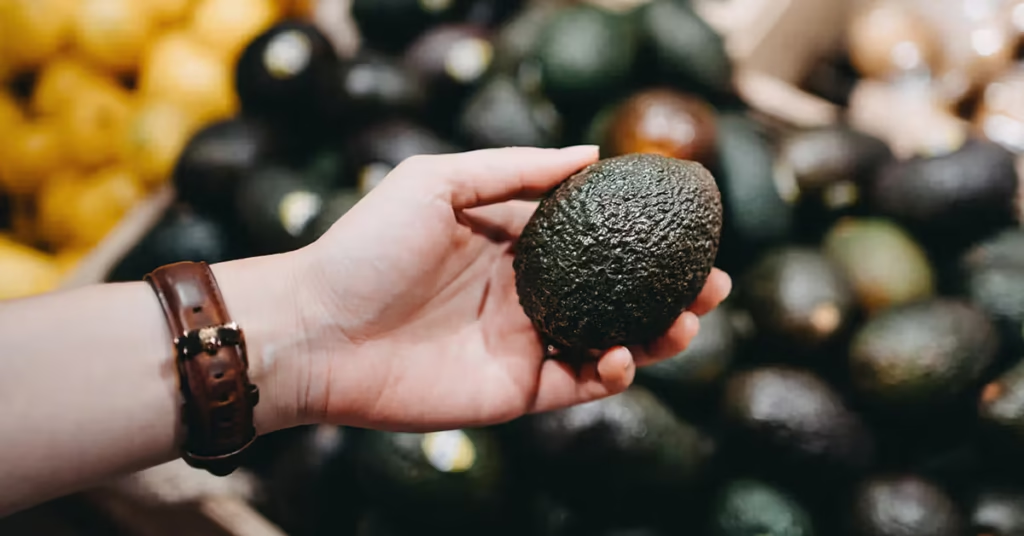
That beautiful avocado in your hand holds the potential for culinary magic or mealtime disappointment. I’ve used these techniques everywhere from grocery store aisles to cooking classes, and the confidence that comes from knowing exactly what you’re getting is priceless. The difference between guessing and knowing isn’t just about avoiding waste – it’s about respecting this incredible fruit and enjoying it at its absolute peak.
Remember: the stem test combined with gentle pressure gives you the most accurate reading. With these skills to check if your avocado is ripe easily, you’ll never face avocado disappointment again, and your guacamole will always be perfectly creamy.