
How to Check If an Egg Has Gone Bad Easily?
I’ll never forget the stomach-churning moment I cracked open what looked like a perfectly normal egg, only to be greeted by a sulfurous stench. As a professional chef who’s handled thousands of eggs, I’ve learned that appearances can be deceiving when it comes to egg freshness. After years of testing every method to check if an egg has gone bad, I’ve perfected reliable techniques to determine an egg’s freshness without risking a ruined recipe or worse – food poisoning.
Why Egg Freshness Matters
Understanding egg deterioration helps explain the testing methods:
- Air cell expansion: Grows as egg loses moisture
- pH level changes: Becomes more alkaline over time
- Bacterial growth: Increases as protective coating breaks down
Key Egg Science Terms
- Bloom/Cuticle: Natural protective coating on shell
- Albumen: Egg white (thins with age)
- Chalazae: Twisty white cords anchoring yolk
4 Foolproof Methods to Test Egg Freshness
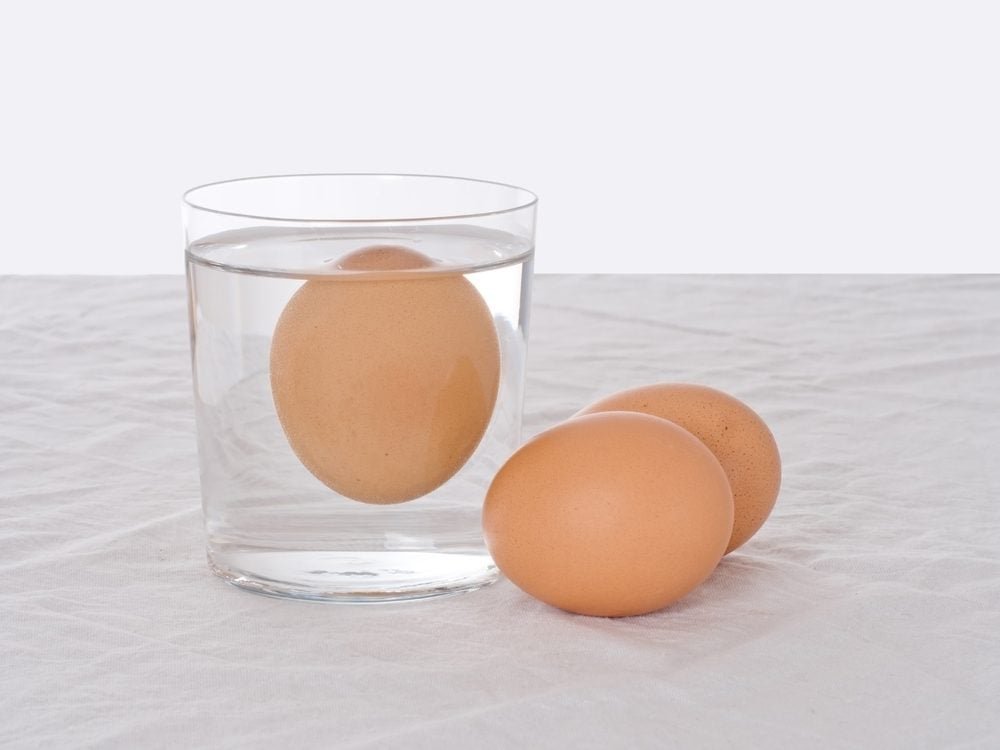
1. The Float Test (Most Reliable)
What You Need:
- Deep bowl or glass of cold water
- Room temperature eggs
Steps:
- Fill container with enough water to submerge egg
- Gently place egg in water
- Observe position:
- Fresh: Sinks and lies flat (0-7 days)
- Older: Sinks but stands up (1-2 weeks)
- Bad: Floats to top (3+ weeks/spoiled)
2. The Shake Test (Quick Check)
- Hold egg to your ear
- Shake gently
- Listen:
- Fresh: No sound
- Old: Slight sloshing
- Bad: Distinct liquid movement
3. The Candling Method (Advanced)
- Hold egg against bright light
- Observe:
- Fresh: Small air cell, tight yolk
- Old: Large air cell, diffuse yolk
4. The Crack Test (Final Verification)
- Crack onto flat plate
- Examine:
- Fresh: Firm yolk, thick white
- Old: Flat yolk, runny white
Egg Freshness Timeline Table
| Age | Float Test | Yolk Appearance | White Consistency | Smell |
|---|---|---|---|---|
| 0-7 days | Bottom | Round, perky | Thick, gel-like | None |
| 1-2 weeks | Tilted | Slightly flat | Some thinning | None |
| 3-4 weeks | Vertical | Very flat | Watery | Mild |
| 4+ weeks | Floats | Broken | Very thin | Strong |
The Science Behind Egg Spoilage
Three key deterioration processes:
- Moisture loss: Evaporation through porous shell
- CO2 release: Makes white more alkaline
- Bacterial growth: Penetrates weakened defenses
Proper Egg Storage Tips
To maximize freshness:
- Store in carton: Prevents moisture loss
- Keep pointed end down: Centers yolk
- Maintain fridge temp: Below 40°F (4°C)
- Don’t wash until use: Preserves protective bloom
When to Discard Eggs
Immediately toss if:
- Unpleasant odor (even before cracking)
- Pink, green, or iridescent discoloration
- Shell is cracked or slimy
- More than 5 weeks old (even if refrigerated)
FAQs
Q. Can you eat eggs past the expiration date?
A. If they pass all freshness tests, yes – expiration dates are conservative estimates.
Q. Do refrigerated eggs last longer than room temp eggs?
A. Dramatically longer. Refrigeration can extend shelf life by weeks.
Q. Why do hard-boiled eggs float sometimes?
A. Cooking creates air pockets – different rules apply than raw eggs.
Q. Can the float test work for duck/quail eggs?
A. Yes, but adjust timelines – duck eggs last longer, quail shorter.
Q. Is the yolk color related to freshness?
A. No, yolk color depends on hen’s diet, not egg age.
Myth Busting
Common misconceptions:
- Blood spots don’t mean spoilage: Just ruptured blood vessels
- Cloudy whites indicate freshness: From high CO2 content
- White chalazae aren’t imperfections: They anchor the yolk
Alternative Uses for Older Eggs
If eggs are slightly old but not spoiled:
- Hard-boiling: Easier to peel when older
- Baking: Works fine in most recipes
- Scrambling: As long as they pass smell test
- DIY face mask: Nutrient-rich for skin
Final Thoughts
That simple float test could save you from culinary disasters and foodborne illness. I’ve used these methods in professional kitchens for over a decade, and they’ve never failed me. Remember – when in doubt, throw it out. No recipe is worth risking your health over a questionable egg.
Now you’re equipped with multiple ways to check egg freshness confidently. Whether you’re making delicate soufflés or just Sunday morning pancakes, to check if an egg has gone bad or not, will ensure you always start with the best ingredients. Happy (and safe) cooking!