
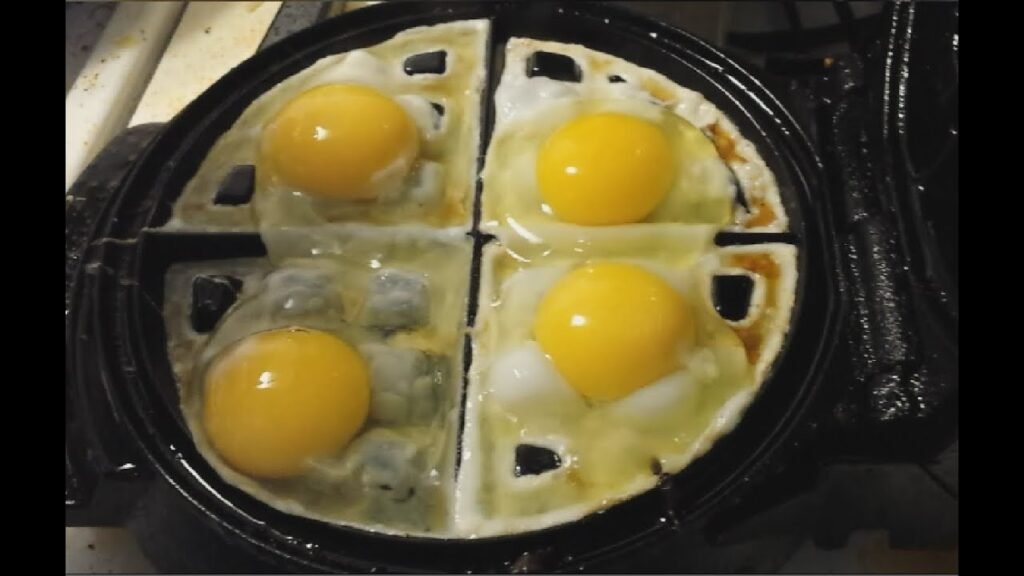
How to Use Your Waffle Iron to Cook Eggs?
I’ll never forget the busy Sunday morning when my stove decided to quit just as I was about to make breakfast for houseguests. In a moment of desperation, I looked at my waffle iron and had a revelation that changed my breakfast game forever. After years of experimentation and sharing this technique to use your waffle iron to cook eggs in cooking classes, I’ve perfected methods that transform your waffle iron into the most versatile egg cooker you never knew you had.
Why Your Waffle Iron Makes an Excellent Egg Cooker
Understanding the unique advantages of this method:
- Even heating: Top and bottom plates cook simultaneously
- Pattern appeal: Creates beautiful waffle-textured eggs
- Time efficiency: Cooks multiple eggs in minutes
- Easy cleanup: Non-stick surfaces make washing simple
- Space saving: Frees up stove burners for other dishes
Key Egg Cooking Terms
- Coagulation: Protein setting during cooking
- Maillard reaction: Browning that creates flavor
- Steam release: Important for fluffy texture
- Carryover cooking: Continued cooking after removal
Step-by-Step Waffle Iron Egg Cooking
Preparation and Setup
- Preheat waffle iron: Medium heat setting (325-350°F)
- Prepare surface: Lightly grease plates even if non-stick
- Choose egg style: Decide on scrambled, whole, or mixed
- Have tools ready: Silicone spatula and plate for serving
Basic Scrambled Egg Method
- Whisk eggs: 2-3 eggs with pinch of salt and pepper
- Pour carefully: Onto center of preheated waffle iron
- Close gently: Don’t press down – let eggs expand naturally
- Cook time: 2-4 minutes depending on desired doneness
- Check progress: Peek at 2-minute mark
- Remove carefully: Use silicone spatula to lift out
Pro Tip: Add 1 teaspoon water per egg for extra fluffiness
Egg Style Cooking Guide
| Egg Type | Preparation | Cooking Time | Doneness Test | Best For |
|---|---|---|---|---|
| Scrambled | Whisked with seasonings | 2-4 minutes | Set but moist | Sandwiches |
| Whole eggs | Cracked directly on iron | 3-5 minutes | Whites set, yolks runny | Breakfast plates |
| Omelet style | With fillings added | 4-6 minutes | Fully set | Complete meal |
| Egg patties | Pressed thin | 2-3 minutes | Firm throughout | Burgers |
The Science Behind Waffle Iron Cooking
Understanding why this works so well:
- Even heat distribution: Plates provide consistent temperature
- Pressure effect: Gentle pressure creates uniform thickness
- Steam utilization: Trapped steam helps leavening
- Surface area: Increased cooking area speeds process
Advanced Techniques and Variations
Stuffed Waffle Iron Omelets
- Pour base layer: Thin layer of whisked eggs
- Add fillings: Cheese, vegetables, cooked meats
- Top with eggs: Another layer to seal
- Cook completely: 5-7 minutes until set
Egg Waffle Sandwiches
- Cook thin egg patty: 2-3 minutes
- Remove and assemble: With cheese and meats
- Return to iron: Brief heat to melt cheese
- Serve immediately: Crispy and melted
Multi-egg Cooking
- Use divider plates: If your iron has them
- Cook different styles: Simultaneously
- Timing coordination: Remove items as they finish
Troubleshooting Common Issues
Problem: Eggs sticking to plates
Solution: Ensure proper greasing and adequate preheating
Problem: Uneven cooking
Solution: Spread eggs more evenly before closing
Problem: Overflowing eggs
Solution: Use fewer eggs or contain with foil rings
Problem: Rubber texture
Solution: Reduce cooking time and avoid over-whisking
Creative Serving Ideas
Beyond basic eggs:
- Egg waffle BLTs: With bacon, lettuce, tomato
- Breakfast tacos: Folded with fillings
- Egg salad base: Diced waffle-pattern eggs
- Benedict base:代替English muffins
FAQs
Q. Can I use this method with egg whites only?
A. Yes, but they may stick more – use extra cooking spray and cook slightly longer.
Q. Will the egg taste like waffles?
A. No, if you clean your iron properly between uses. Residual smells can be eliminated with vinegar wipe.
Q. Is it safe to cook eggs in a waffle iron?
A. Completely safe as long as the iron reaches proper cooking temperatures (160°F+).
Q. Can I make hard-cooked eggs this way?
A. Not recommended – the pressure may cause shells to crack violently.
Q. How do I clean egg from waffle iron?
A. Unplug, cool slightly, then wipe with damp cloth. For stuck bits, use soft brush.
Historical Context
Multi-use appliance cooking:
- 1930s: First electric waffle irons introduced
- 1950s: Home economists promoted multi-use appliances
- 1980s: Creative cooking techniques gained popularity
- Modern era: Food network inspired appliance innovation
Alternative Cooking Methods
When waffle iron isn’t available:
- Panini press: Similar pressed cooking
- Griddle: Flat surface cooking
- Omelet maker: Dedicated appliance
- Traditional pans: Stovetop method
Safety Considerations
- Temperature caution: Surfaces get very hot
- Steam release: Open carefully away from face
- Electrical safety: Keep cord away from heat
- Cleanliness: Ensure proper cleaning to prevent bacteria
Final Thoughts
Your waffle iron is so much more than a single-purpose appliance – it’s a compact cooking station that can revolutionize your breakfast routine. I’ve used this method to use your waffle iron to cook eggs for everything from quick weekday breakfasts to impressive brunch presentations, and it never fails to delight. The waffle pattern adds visual appeal while the cooking method ensures perfectly cooked eggs every time.
Remember: proper preheating, adequate greasing, and not overfilling are the keys to success. With practice, you’ll discover countless ways to make your waffle iron your favorite egg cooker.