
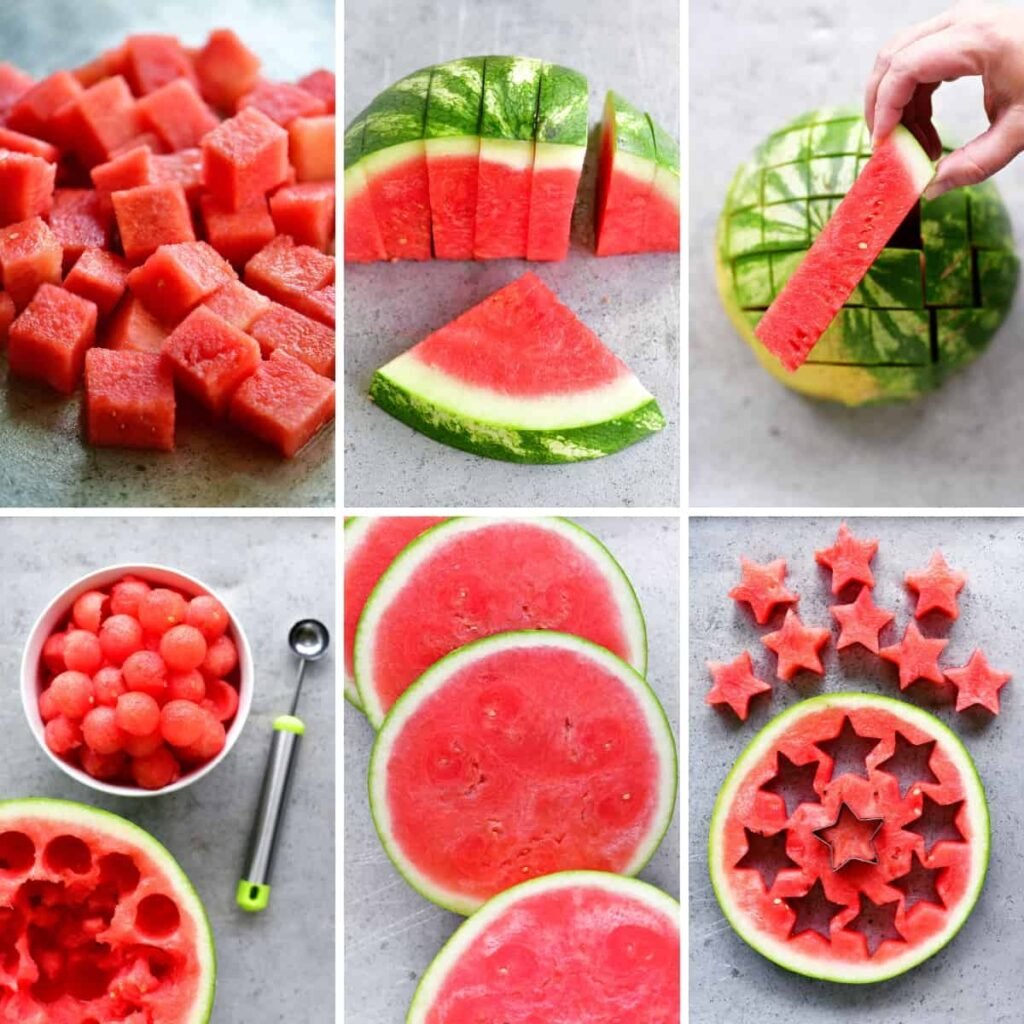
How to Cut a Watermelon Without a Mess?
I’ll never forget the summer picnic where I attempted to cut a watermelon on a flimsy paper plate, resulting in a red juice explosion that stained everything in a five-foot radius. After years of catering outdoor events and testing every watermelon-cutting method imaginable, I’ve perfected techniques that keep the mess contained and the fruit perfectly presented. This guide will transform your watermelon preparation from a chaotic ordeal into a clean, efficient process worthy of a professional kitchen and you will learn to cut a watermelon without a mess.
Why Watermelon Creates Such a Mess
Understanding the physics of the mess helps prevent it:
- High water content: 92% water means juice everywhere
- Structural instability: Round shape wants to roll
- Juice pressure: Cutting releases pent-up liquid
- Slippery surface: Wet rind challenges knife control
Key Watermelon Anatomy Terms
- Rind: The tough green outer skin
- Pith: The white layer between rind and flesh
- Placenta: The fleshy part that holds seeds
- Vascular bundles: The seed pathways that can leak juice
Step-by-Step Mess-Free Cutting Method
Preparation is Everything
- Choose stable surface: Cut on cutting board with damp towel underneath
- Containment ready: Have rimmed baking sheet or tray ready
- Proper tools: Sharp chef’s knife and clean workspace
- Cleanup station: Keep towels and bowl for rinds nearby
The No-Mess Technique
- Stabilize: Place watermelon on cutting board, slice off ends to create flat base
- Stand upright: Now sits securely without rolling
- Remove rind: Slice downward following fruit contour
- Cube neatly: Make vertical then horizontal cuts
- Contain juice: Work over rimmed baking sheet
Pro Tip: Chill watermelon for 2 hours before cutting – firmer flesh creates less juice
Watermelon Cutting Method Comparison
| Method | Mess Level | Time Required | Skill Needed | Presentation |
|---|---|---|---|---|
| Traditional wedges | High | Low | Low | Casual |
| Rind-off cubes | Low | Medium | Medium | Excellent |
| Sphere scoop | Medium | High | High | Fancy |
| Stick cuts | Medium | Low | Low | Kid-friendly |
The Science Behind Clean Cutting
Understanding why these methods work:
- Temperature control: Chilled fruit has firmer cell structure
- Structural engineering: Flat bases prevent rolling
- Contained environment: Rimmed trays catch 95% of juice
- Sharp knife importance: Clean cuts rupture fewer cells
Advanced No-Mess Techniques
The Sheet Pan Method (Best for Large Quantities)
- Line baking sheet with parchment
- Cut watermelon directly on pan
- Juice collects in pan edges
- Transfer cubes directly to serving bowl
The Bowl Method (For Small Watermelons)
- Cut melon in half crosswise
- Place cut side down in large bowl
- Slice while contained in bowl
- Juice stays contained
The Strainer Technique (For Extra Juicy Melons)
- Cut cubes over fine mesh strainer
- Catch juice for drinks or recipes
- Transfer dry cubes to serving dish
Troubleshooting Common Problems
Problem: Juice everywhere despite precautions
Solution: Work faster – prolonged cutting releases more juice
Problem: Melon rolling during cutting
Solution: Create larger flat base by cutting thicker slices off ends
Problem: Knife slipping on wet rind
Solution: Use dry towel to grip opposite side while cutting
Problem: Cubes falling apart
Solution: Use sharper knife and cut slightly underripe melon
Creative Serving Ideas
Beyond basic cubes:
- Watermelon “steaks”: Thick slices for grilling
- Triangular wedges: Classic but contain with parchment
- Cookie cutter shapes: For special occasions
- Fruit skewers: Pre-threaded for easy serving
Storage and Cleanup Tips
- Immediate cleanup: Wipe surfaces before juice sticks
- Rind disposal: Compost or pickle the white parts
- Juice utilization: Freeze for smoothies or make syrup
- Board maintenance: Wash immediately to prevent staining
FAQs
Q. Should I cut watermelon cold or room temperature?
A. Always chill first – cold watermelon cuts cleaner and produces less juice.
Q. How do I choose a watermelon that will be less messy?
A. Look for symmetrical shape, creamy yellow spot, and avoid overripe ones.
Q. Can I use a melon baller without mess?
A. Yes, but work over a bowl and use a twisting motion.
Q. What’s the best knife for watermelon?
A. A sharp 8-inch chef’s knife – serrated knives create more juice.
Q. How long do cut watermelon pieces last?
A. 3-4 days in airtight container in refrigerator.
Historical Cutting Methods
How different cultures handle watermelon:
- Mediterranean: Often served with feta and mint
- Asian: Sometimes salted to enhance sweetness
- American: Classic picnic wedge tradition
- Middle Eastern: Frequently paired with salty cheeses
Alternative Cutting Methods
When traditional cutting isn’t working:
- Inside-out method: Scoop flesh, return to rind bowl
- Glass method: Cut half-melon over large glass to catch juice
- Bag method: Cut while melon is in large plastic bag (less eco-friendly)
- Outside method: For truly messy jobs, cut on grass outdoors
Safety Considerations
- Knife skills: Always cut away from your body
- Surface stability: Ensure cutting board won’t slip
- Juice cleanup: Wipe spills immediately to prevent slipping
- Seed warning: Watch for slippery seeds on floor
Final Thoughts
That beautiful summer watermelon doesn’t have to mean sticky counters and stained clothes. I’ve used these techniques for everything from beach picnics to wedding receptions, and the difference between messy chaos and clean efficiency is life-changing. The key is respecting the fruit’s structure and working with its nature rather than against it.
Remember: chill your watermelon, create a flat base, and always work over a contained surface. With these method to cut a watermelon without a mess, you’ll enjoy watermelon all season without the cleanup dread.