
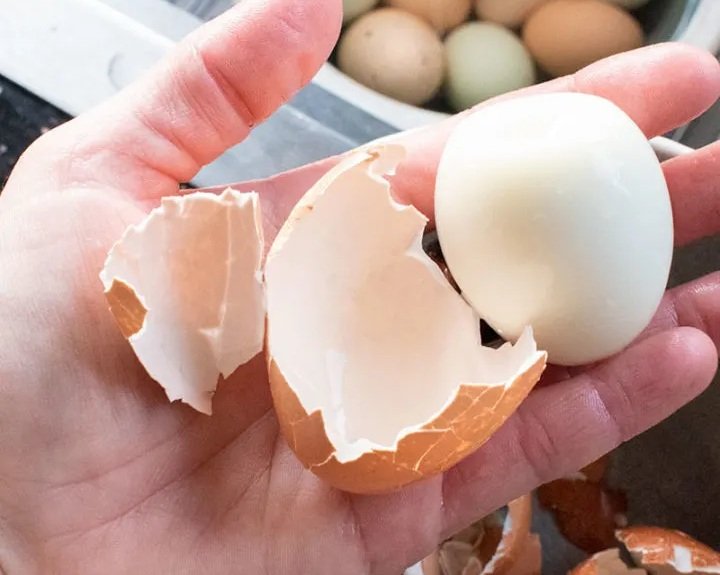
How to Peel a Hard-Boiled Egg in Two Ways?
I’ll confess – I used to dread peeling hard-boiled eggs. No matter how carefully I tapped and picked at the shell, I’d end up with craters in my eggs and shell fragments everywhere. That all changed when I discovered two foolproof methods that make peeling eggs almost effortless. Whether you’re meal prepping for the week or making deviled eggs for a party, these techniques to peel a hard-boiled egg in two ways will save you time and frustration as well.
Why Is Peeling Hard-Boiled Eggs So Tricky?
Before we dive into the methods, let’s understand why eggs can be stubborn to peel:
- Freshness matters: Very fresh eggs are harder to peel
- Membrane adhesion: The inner membrane sticks tightly to the white
- Temperature shock: Rapid cooling helps separate shell from egg
Key Terms to Know
- Albumen: The egg white protein that cooks firm
- Air cell: The pocket at the egg’s wider end
- Bloom: Natural protective coating on eggshells
Method 1: The Shock-and-Roll Technique
This is my go-to method for everyday egg peeling. It requires just two simple tools you already have:
What You’ll Need
- Bowl of ice water
- Hard-boiled eggs
- Clean kitchen towel (optional)
Step-by-Step Process
- Cool eggs rapidly: Transfer boiled eggs immediately to ice water for 5 minutes
- Crack strategically: Gently tap wider end (air cell) on counter
- Roll gently: Apply light pressure while rolling egg on surface
- Peel underwater: Submerge egg and peel under running water
Pro Tip: Adding a teaspoon of baking soda to boiling water helps loosen shells
Method 2: The Jar Shake Method
Perfect when you need to peel multiple eggs quickly:
What You’ll Need
- Mason jar or similar container
- Cold water
- 2-4 eggs at a time
Step-by-Step Process
- Fill jar halfway with cool water
- Add 1-2 eggs at a time
- Cover and shake vigorously for 10 seconds
- Remove eggs – shells will slide right off
- Rinse to remove any remaining bits
Bonus: This method works great for pickling eggs too!
Egg Peeling Method Comparison
| Method | Time per Egg | Success Rate | Best For | Mess Factor |
|---|---|---|---|---|
| Shock-and-Roll | 30 seconds | 95% | 1-6 eggs | Low |
| Jar Shake | 15 seconds | 90% | Batch peeling | Medium |
| Traditional | 1 minute | 70% | Single egg | High |
The Science of Easy Peeling
Understanding these factors will improve your results:
- Egg age: 7-10 day old eggs peel best
- Cooking method: Steaming beats boiling for easy peeling
- Cooling speed: Rapid cooling creates steam pockets under membrane
Troubleshooting Common Problems
Problem: Shell sticks despite using these methods
Solution: Your eggs may be too fresh – try steaming instead of boiling
Problem: Egg white tears during peeling
Solution: Use room temperature eggs before cooking
Problem: Green ring around yolk
Solution: Don’t overcook – limit boiling to 10 minutes max
Creative Uses for Peeled Eggs
Now that you’ve mastered peeling, try these ideas:
- Marinated eggs: Soak in soy sauce mixture for ramen toppings
- Egg salad: Mix with Greek yogurt instead of mayo
- Scotch eggs: Wrap in sausage and bake
- Pickled eggs: Preserve in vinegar brine
FAQs
Q. Why do some eggs peel easier than others?
A. Older eggs develop a larger air cell, creating space between shell and membrane.
Q. Can I use these methods with soft-boiled eggs?
A. The shock-and-roll works, but jar shaking may damage delicate soft-boiled whites.
Q. How long should eggs cool before peeling?
A. 5 minutes in ice water is ideal – enough to contract the contents but not get too cold.
Q. Does adding vinegar to boiling water help?
A. Vinegar helps prevent cracks while cooking but doesn’t affect peeling ease.
Q. What’s the best way to store peeled eggs?
A. Keep submerged in water in an airtight container for up to 5 days.
Pro Tips from Chefs
- Steam instead of boil: 12 minutes steaming = easier peeling
- Use a spoon: Slide between membrane and white for clean removal
- Grade matters: Large eggs peel better than extra-large
- Altitude adjustment: Add 1 minute cooking time above 3,000 feet
Egg Freshness Test
Not sure how old your eggs are? Try this:
- Fill bowl with cold water
- Gently place egg in water
- Fresh: Sinks and lies flat
- 1 week: Sinks but stands up
- Old: Floats (don’t use for boiling)
Final Thoughts
Peel a Hard-Boiled Egg in Two Ways either the shock-and-roll or jar shake method, you can enjoy perfectly peeled eggs every time. I keep a mason jar in my kitchen just for egg peeling now – it’s that much of a game-changer.
Remember, the key factors are egg age, cooking method, and cooling speed. Once you’ve got those variables dialed in, you’ll never dread egg peeling again. Now go forth and make that perfect egg salad or plate of deviled eggs with confidence!