
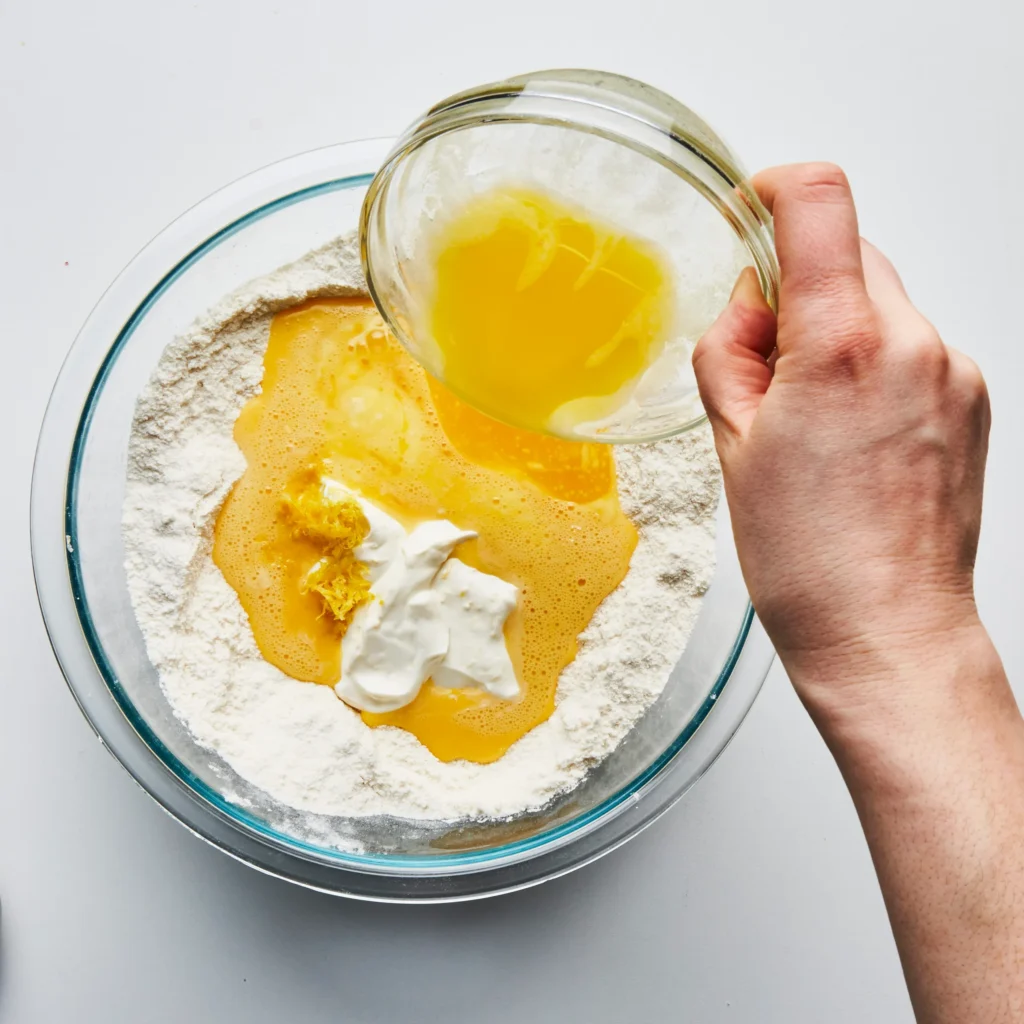
Best Egg Substitutes for Baking: A Comprehensive Guide
Eggs are a staple ingredient in baking, acting as binders, leaveners, and moisture providers. However, for those with dietary restrictions, allergies, or a plant-based lifestyle, finding the right egg substitute can be crucial. Luckily, there are many egg alternatives that can serve as replacements in baking, ensuring your recipes still come out delicious and satisfying. In this article, we’ll explore the best egg substitutes for baking, their benefits, and how to use them effectively to achieve the desired texture and flavor in your baked goods.
Why Substitute Eggs in Baking?
Before diving into the best substitutes, it’s essential to understand why eggs are used in baking. Eggs serve multiple functions, including:
- Binding: Eggs help hold the ingredients together, providing structure to the batter or dough.
- Leavening: Eggs trap air during the mixing process, helping baked goods rise and become fluffy.
- Moisture: Eggs add moisture to recipes, preventing dryness.
- Flavor: Eggs contribute to the richness and flavor of many baked goods.
When looking for an egg substitute, you want an ingredient that can mimic one or more of these roles.
1. Applesauce
Applesauce is a fantastic egg substitute, especially in cakes, muffins, and brownies. It adds moisture, a touch of sweetness, and some binding properties. Because of its natural sweetness, it works best in recipes that can benefit from a slightly fruity flavor.
How to use:
- Replace 1 egg with 1/4 cup of unsweetened applesauce.
- Best for: Cakes, muffins, brownies, and quick breads.
Why it works:
Applesauce is rich in pectin, which helps provide structure and moisture. It also adds natural sweetness, making it perfect for dessert-based recipes.
2. Mashed Bananas
Mashed bananas are another great substitute for eggs, offering both moisture and binding properties. Bananas also bring a natural sweetness and a slight banana flavor to your baked goods, making them ideal for certain cakes, pancakes, and muffins.
How to use:
- Replace 1 egg with 1/4 cup of mashed bananas (about half a medium banana).
- Best for: Muffins, pancakes, cakes, and cookies.
Why it works:
Bananas are high in starch, which helps provide structure, while their moisture content ensures the baked goods stay soft. Their natural sweetness can also replace added sugars in many recipes.
3. Flaxseed Meal (Flax Eggs)
Flaxseed meal mixed with water forms a gel-like consistency that mimics the binding and moisture-retaining properties of eggs. This is one of the most popular plant-based egg substitutes for vegan baking.
How to use:
- To replace 1 egg, mix 1 tablespoon of ground flaxseed meal with 3 tablespoons of water. Let it sit for 5 minutes to thicken.
- Best for: Muffins, pancakes, waffles, cookies, and brownies.
Why it works:
Flaxseeds are high in fiber and omega-3 fatty acids, and the mixture creates a texture that binds ingredients together while retaining moisture.
4. Chia Seeds (Chia Eggs)
Chia seeds work similarly to flaxseeds when used to create a gel-like consistency. Chia eggs are an excellent substitute for eggs in baking and can be used in a similar manner to flax eggs.
How to use:
- To replace 1 egg, mix 1 tablespoon of chia seeds with 3 tablespoons of water. Let it sit for 5-10 minutes until it thickens into a gel.
- Best for: Muffins, cookies, cakes, and pancakes.
Why it works:
Chia seeds have high fiber content and absorb water, forming a gel that works well for binding and adding moisture to baked goods.
5. Aquafaba (Chickpea Brine)
Aquafaba is the liquid from canned chickpeas or other legumes, and it’s a popular egg substitute in vegan and allergy-friendly baking. It has a unique ability to mimic the texture and function of egg whites, making it perfect for meringues, macaroons, and other baked goods that require a fluffy, airy texture.
How to use:
- Replace 1 egg with 3 tablespoons of aquafaba.
- Best for: Meringues, macarons, mousse, cakes, and cookies.
Why it works:
Aquafaba has a high starch content and the ability to foam and bind, much like egg whites. This makes it ideal for recipes that rely on volume and lightness.
6. Silken Tofu
Silken tofu is a great substitute for eggs in dense baked goods, such as brownies, cakes, and cookies. It adds moisture and a rich, creamy texture without altering the flavor too much.
How to use:
- Replace 1 egg with 1/4 cup of pureed silken tofu.
- Best for: Brownies, cakes, cookies, and custards.
Why it works:
Silken tofu is smooth and creamy, which gives baked goods a soft, dense texture. It also provides moisture and binding properties.
7. Yogurt
Yogurt can replace eggs by adding moisture, richness, and a bit of tang. It’s particularly useful in baking recipes that require a moist crumb, like cakes, muffins, and cupcakes. Greek yogurt works especially well due to its thick consistency.
How to use:
- Replace 1 egg with 1/4 cup of plain yogurt (or Greek yogurt for thicker results).
- Best for: Cakes, muffins, cupcakes, and quick breads.
Why it works:
Yogurt provides moisture, richness, and a slight tang, similar to the flavor profile eggs provide in some recipes. It also works well as a binding agent.
8. Baking Powder and Vinegar
Baking powder combined with vinegar creates a chemical reaction that produces bubbles, which helps cakes and other baked goods rise without eggs. This is a great egg replacement in cakes, cupcakes, and other items that need leavening.
How to use:
- Replace 1 egg with 1 tablespoon of baking powder + 1 tablespoon of vinegar (white or apple cider vinegar).
- Best for: Cakes, cupcakes, muffins, and other light, fluffy baked goods.
Why it works:
The reaction between baking powder and vinegar releases carbon dioxide, helping to leaven the batter and create fluffiness, just like eggs would do.
9. Nut Butters
Nut butters like peanut butter, almond butter, and cashew butter can replace eggs in baking by providing moisture, fat, and binding. Nut butters work well in cookies, bars, and cakes, particularly in recipes where the nutty flavor complements the dish.
How to use:
- Replace 1 egg with 3 tablespoons of nut butter.
- Best for: Cookies, bars, and cakes.
Why it works:
Nut butters are rich in healthy fats, which help provide moisture, texture, and structure to baked goods. They also add a lovely nutty flavor.
10. Buttermilk or Milk + Vinegar
Buttermilk is another great substitute for eggs in certain baking recipes. It can provide the necessary moisture and richness for soft cakes and muffins. If you don’t have buttermilk on hand, you can easily make a substitute using milk and vinegar.
How to use:
- Replace 1 egg with 1/4 cup of buttermilk or 1/4 cup of milk mixed with 1 teaspoon of vinegar.
- Best for: Cakes, muffins, pancakes, and waffles.
Why it works:
Buttermilk adds moisture and tenderness to baked goods while also providing a slight tangy flavor, much like eggs.
Conclusion
Whether you’re vegan, have an egg allergy, or simply ran out of eggs, there are numerous substitutes you can use to successfully bake your favorite treats. From flaxseed meal and aquafaba to mashed bananas and silken tofu, these alternatives can replicate the binding, leavening, and moisture-retaining properties of eggs, ensuring your baked goods come out just as delicious and satisfying.
The key to success with egg substitutes is understanding the role of eggs in each recipe and selecting the appropriate alternative. With the right substitute, you can create cookies, cakes, muffins, and more that are just as fluffy, moist, and flavorful as the egg-based versions. Happy baking!