
Why Does Whipped Cream Not Stiffen? Common Causes and Solutions
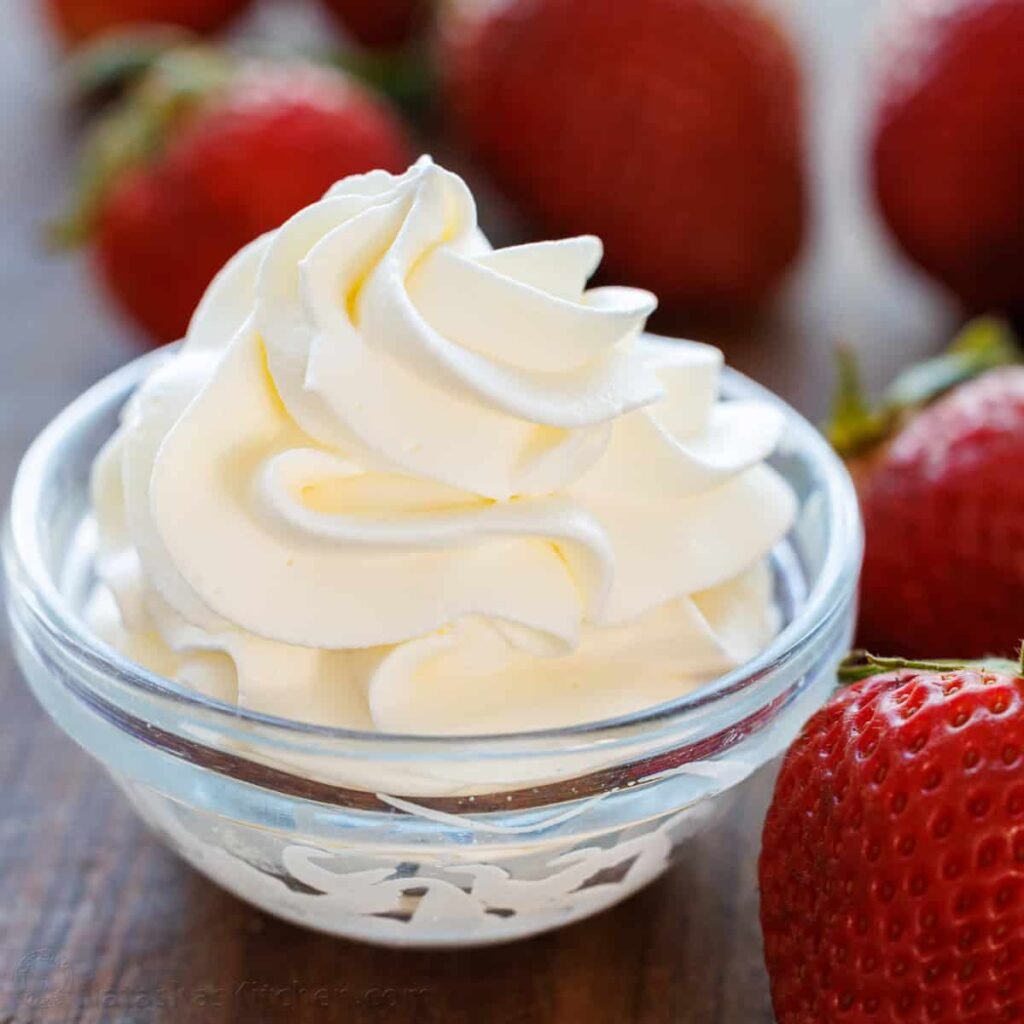
Whipped cream is a classic, versatile topping used in a variety of desserts, from pies and cakes to hot cocoa and fruit salads. The process of whipping cream transforms it from a liquid to a fluffy, airy texture that holds its shape when piped or spooned onto treats. However, there are times when whipped cream just refuses to stiffen, and this can be incredibly frustrating, especially when you’re aiming for a perfect, stable topping. If you’ve ever faced the disappointment of whipped cream not stiffen, you’re not alone. Several factors can cause this, and the good news is that understanding the reasons behind it can help you troubleshoot and achieve the perfect whipped cream every time.
In this article, we’ll explore the most common causes of whipped cream failing to stiffen and provide practical solutions to help you get the best results.
1. The Cream Is Too Warm
One of the most common reasons for whipped cream not stiffening is that the cream itself is too warm. Whipping cream needs to be cold to hold its structure and form stiff peaks. When the cream is too warm, the fat in the cream cannot properly emulsify with the liquid, preventing the formation of those desired peaks.
Why it happens:
The fats in the cream need to solidify when chilled, allowing them to trap air and form a stable structure. Warm cream doesn’t have the same capacity to hold air, so it stays soft and runny, even when whipped.
Solution:
- Chill the cream: Always use heavy cream (or whipping cream) that’s well-chilled. For best results, refrigerate the cream for several hours before whipping, or even overnight if possible.
- Chill your mixing bowl and beaters: In addition to chilling the cream, it’s a good idea to chill the bowl and beaters (or whisk attachment) you’re using. Metal bowls and beaters hold cold temperatures longer, which helps maintain the cream’s cold temperature while whipping.
2. The Cream Is Too Low in Fat
Whipped cream requires a certain level of fat content to create its rich, airy texture. Typically, you should be using heavy cream (with at least 36% fat) or whipping cream (with around 30% fat). If you use a lower-fat cream or milk, it won’t whip properly and may not stiffen at all.
Why it happens:
The fat molecules in cream are responsible for trapping air and stabilizing the foam that forms when the cream is whipped. Lower-fat creams simply do not contain enough fat to create a stable whipped cream.
Solution:
- Use the right cream: Always use heavy cream or whipping cream that has a high fat content (at least 30%). For the best results, look for cream with 36% fat or higher.
3. Overwhipping the Cream
While it’s essential to whip the cream enough to form soft or stiff peaks, it’s also easy to overdo it. Overwhipping the cream causes the fat molecules to break down and begin separating from the liquid, turning the cream into butter instead of a smooth, whipped topping.
Why it happens:
As you whip the cream, you incorporate air, and the fat molecules begin to coagulate, forming a stable structure. However, if whipped for too long, the fat can begin to clump together and separate from the liquid, causing the whipped cream to turn grainy and even start turning into butter.
Solution:
- Stop whipping at the right moment: Watch for when the cream starts to form soft peaks. Soft peaks stand up slightly when the beaters are lifted, but they still bend at the tips. If you continue whipping past this point, stiff peaks will form, and the cream may begin to turn into butter. Once stiff peaks form, stop whipping immediately.
4. The Cream Contains Too Much Liquid
Whipped cream is essentially a foam, and for the foam to hold, the amount of liquid needs to be minimal. If you add extra liquid to the cream, such as milk or flavorings, it can interfere with the structure and prevent it from thickening properly.
Why it happens:
Excess liquid dilutes the fat content and reduces the cream’s ability to trap air, resulting in a runny, unstable whipped cream.
Solution:
- Avoid adding too much liquid: If you want to add flavor, such as vanilla extract or other extracts, do so sparingly. Use a small amount of liquid and ensure that it’s incorporated evenly without overloading the cream with moisture. If you add flavoring, try using a concentrated form like vanilla bean paste or a powdered flavoring to avoid excess liquid.
5. The Cream Is Past Its Expiration Date
If your cream is too old or has been stored improperly, it may not whip as effectively. Cream can lose its ability to stiffen if it’s past its expiration date or has been sitting in your fridge for too long.
Why it happens:
Cream that is too old may have already started to break down, resulting in a thinner texture that won’t whip up properly. Additionally, expired cream may have developed bacterial growth, which can affect its whipping capabilities.
Solution:
- Check the expiration date: Always use fresh cream and check the expiration date before using it. If your cream smells sour or has an off texture, it’s best not to use it for whipping. Opt for fresh cream that is still within its expiration window.
6. The Cream Has Been Overheated
If the cream is heated too much (for example, if you’ve been heating it to melt sugar or other ingredients), it can lose its ability to whip effectively. Overheating can cause the fats to break down, making it harder to achieve a stable whipped cream.
Why it happens:
Heat causes fat molecules to break down, making them less able to form the stable air pockets needed to create whipped cream. When the cream cools down, it may not return to its original consistency, preventing it from stiffening.
Solution:
- Avoid overheating the cream: If you’re heating cream for a recipe, keep the temperature low and avoid bringing it to a full boil. If you need to melt sugar into the cream, ensure it’s done over low heat, and allow it to cool down before whipping.
7. Using Non-Dairy Cream Alternatives
Many people choose non-dairy cream alternatives, such as coconut cream, soy cream, or almond cream, for whipped cream. While these can work in some cases, they do not always whip as well as traditional heavy cream due to their lower fat content or different chemical composition.
Why it happens:
Non-dairy creams often contain stabilizers or thickeners that prevent proper air incorporation, resulting in a less stable whipped cream. They may also lack the high fat content needed to form stiff peaks.
Solution:
- Use coconut cream for dairy-free whipped cream: If you’re looking for a non-dairy alternative, coconut cream is a popular choice because it has a high fat content. Be sure to chill the coconut cream overnight before whipping, and only use the thickened part that separates from the liquid.
8. Using the Wrong Whipping Method
Whipping cream by hand, using an electric whisk, or with a stand mixer are all valid methods, but each has its pros and cons. Whipping by hand can be difficult and time-consuming, while using an electric mixer is faster but requires more attention to avoid overwhipping.
Why it happens:
The wrong whipping method can lead to uneven air incorporation or make it harder to achieve the desired texture. Hand whipping is challenging, and a stand mixer might require different speeds and attachments to avoid overwhipping.
Solution:
- Use the right tools: If you’re using an electric mixer, start at a medium speed and gradually increase to high speed. If you’re using a stand mixer, the whisk attachment works best for whipping cream. Make sure you monitor the cream closely to avoid overwhipping.
Conclusion
Whipped cream is a simple yet essential ingredient in many recipes, and when it doesn’t stiffen, it can be frustrating. Understanding the key factors that affect the whipping process—such as cream temperature, fat content, and whipping time—can help you troubleshoot and achieve the perfect whipped cream every time.
By following the tips and solutions outlined above, you can ensure that your whipped cream turns out airy, fluffy, and perfectly stiffened, adding that light and creamy touch to your desserts. So, next time you whip up a batch of whipped cream, keep these insights in mind, and you’ll be able to avoid the common pitfalls that prevent it from stiffening. Happy whipping!