
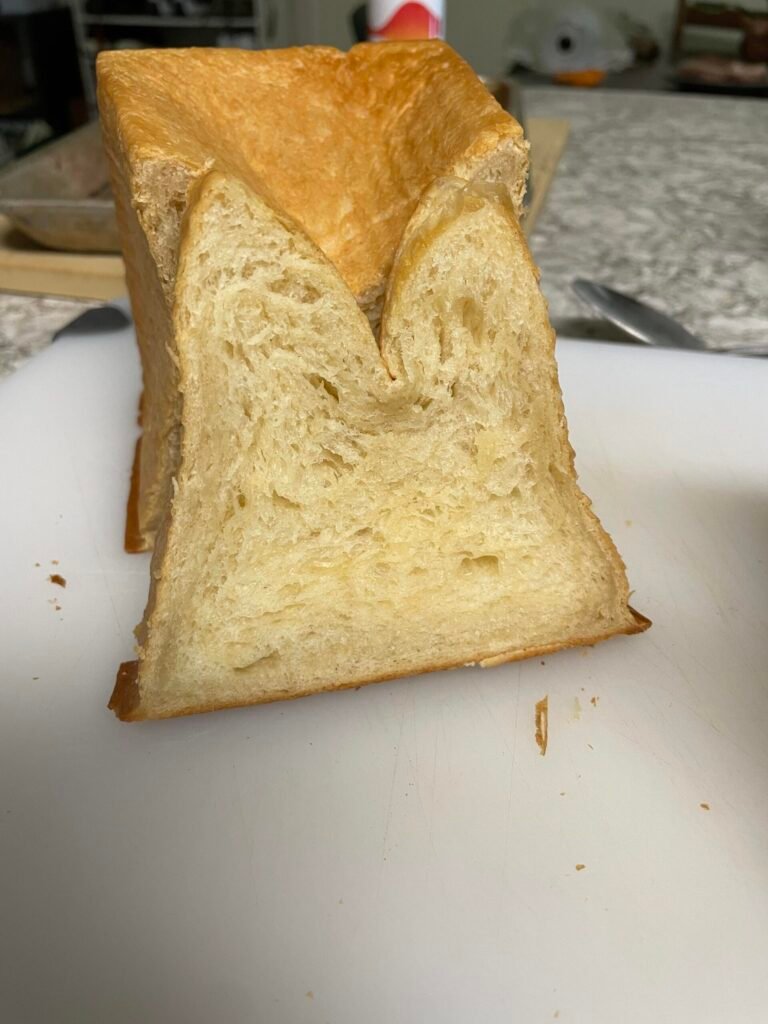
Why Does My Homemade Bread Collapse? Common Causes and Solutions
Baking bread at home is a rewarding and comforting experience, but it can also be a bit frustrating, especially when things don’t go as planned. One of the most common issues home bakers face is homemade bread collapse. It’s disheartening to see your beautifully risen loaf deflate, often leaving you puzzled about what went wrong.
In this article, we will explore the common causes behind bread collapse and provide you with practical solutions to ensure your homemade bread turns out perfectly every time.
1. Incorrect Yeast Usage
One of the most crucial ingredients in bread-making is yeast, which is responsible for making the dough rise. If there’s an issue with the yeast, it can cause the bread to collapse or fail to rise properly.
Possible Causes:
- Expired Yeast: Yeast loses its potency over time. If you use old yeast, it may not activate properly, leading to under-risen bread.
- Overproofing: While yeast needs time to rise, letting the dough rise for too long can cause it to overproof. The yeast works too much, producing excess gas, which leads to a fragile structure that collapses in the oven.
- Incorrect Temperature: Yeast is sensitive to temperature. If the water is too hot (over 120°F or 49°C), it can kill the yeast. On the other hand, water that’s too cold won’t activate the yeast properly.
Solution:
- Check Expiry Dates: Always check the expiry date on your yeast packets to ensure it’s still active.
- Proof Your Yeast: Test the yeast before adding it to your dough. Mix the yeast with warm water (around 100°F or 38°C) and a pinch of sugar. If it becomes bubbly and frothy after 10 minutes, it’s active.
- Don’t Overproof: Keep an eye on your dough’s rise. When it doubles in size, it’s ready to go into the oven.
2. Under-Kneading or Over-Kneading the Dough
The kneading process is essential for developing gluten in the dough, which gives bread its structure and elasticity. If the dough isn’t kneaded enough or too much, it can affect the rise and cause collapse.
Possible Causes:
- Under-Kneading: If the dough hasn’t been kneaded enough, it may not develop sufficient gluten. This leads to a weak dough structure that can collapse in the oven.
- Over-Kneading: While kneading is necessary, doing it too long can break down the gluten too much, causing the dough to become too sticky and lose its structure.
Solution:
- Knead Until Smooth and Elastic: The dough should be smooth, elastic, and slightly tacky but not sticky. It should spring back when pressed lightly with your finger.
- Use the Windowpane Test: Stretch a small piece of dough between your fingers. If it forms a thin membrane without tearing, it’s kneaded enough.
3. Too Much or Too Little Flour
Getting the flour-to-liquid ratio right is crucial for making the right dough consistency. If there’s too much or too little flour, it can throw off the structure of the bread.
Possible Causes:
- Too Much Flour: Adding too much flour can result in a stiff dough that won’t rise properly. This can also lead to dense bread that doesn’t hold its shape.
- Too Little Flour: If you don’t have enough flour, the dough will be too wet and sticky, which can cause it to spread too much and collapse.
Solution:
- Measure Flour Correctly: It’s important to measure flour correctly. Use a kitchen scale for accuracy, or fluff the flour before spooning it into your measuring cup and leveling it off.
- Adjust Consistency: If your dough feels too sticky, add small amounts of flour at a time, but be cautious not to overdo it.
4. Over or Under Baking the Bread
The baking time and temperature are critical factors in determining whether your bread holds its shape or collapses. If the bread is not baked long enough or at the right temperature, it can deflate after coming out of the oven.
Possible Causes:
- Under-Baking: If the bread is under-baked, the internal structure may not have fully set, causing it to collapse as it cools.
- Over-Baking: Conversely, if the bread is baked too long, it can become dry and hard, which may cause it to crack and collapse.
Solution:
- Use a Thermometer: Use an instant-read thermometer to check if the bread is fully baked. The internal temperature should be around 190°F (88°C) for a standard loaf.
- Watch for Color: The crust should be golden brown and firm to the touch, but not overly dark.
5. Too Much Liquid in the Dough
Adding excess liquid to your dough can result in a weak structure, which can make the bread more likely to collapse. While moisture is necessary for the dough to rise, too much water or milk can prevent proper gluten formation.
Possible Causes:
- Too Much Liquid: If you add too much water, your dough will be too wet and will spread out during baking rather than rising. This can lead to a flat, collapsed loaf.
- Over-Risen Dough: If the dough has too much liquid and you let it rise for too long, the dough will weaken, leading to collapse.
Solution:
- Follow the Recipe: Stick to the recommended liquid measurements in your recipe.
- Adjust as Needed: If your dough feels too sticky, add a little flour, and if it’s too dry, add a little water (a teaspoon at a time).
6. Not Enough Steam in the Oven
Steam in the oven is essential for a good rise and crust. The moisture helps create a light and airy loaf with a crisp, golden crust.
Possible Causes:
- Lack of Steam: Without steam, the dough will not rise well in the oven. The crust will form too early, trapping the gas inside and causing the bread to collapse.
- Poor Oven Conditions: If the oven door is opened too frequently or the oven is not preheated properly, it can lead to inconsistent baking conditions.
Solution:
- Use a Baking Stone or Dutch Oven: To help create steam, you can place a shallow pan of water in the oven or use a Dutch oven with a lid to trap the steam.
- Don’t Open the Oven Door: Avoid opening the oven door during the first 15 minutes of baking to keep the steam inside.
7. Poor Oven Temperature or Temperature Fluctuations
Oven temperature is one of the most critical factors in ensuring a loaf rises properly. If the oven is too hot or too cold, the dough may collapse.
Possible Causes:
- Inconsistent Oven Temperature: Home ovens can sometimes have temperature fluctuations. If your oven is too hot, the dough can rise too quickly, forming a fragile structure. If it’s too cool, the dough may not rise properly.
- Preheating: Not preheating the oven thoroughly can lead to uneven cooking and collapse.
Solution:
- Use an Oven Thermometer: Check your oven’s temperature with an oven thermometer to ensure it’s accurate.
- Preheat Properly: Always preheat your oven before placing the bread inside to allow it to reach the optimal temperature.
Conclusion
Homemade bread collapse can occur for various reasons, from yeast issues to improper baking techniques. However, by understanding the common causes and following the practical solutions outlined in this article, you can troubleshoot your bread-making process and improve your results. Remember to use fresh yeast, measure your ingredients carefully, knead the dough properly, and ensure you bake the bread at the right temperature. Happy baking!