
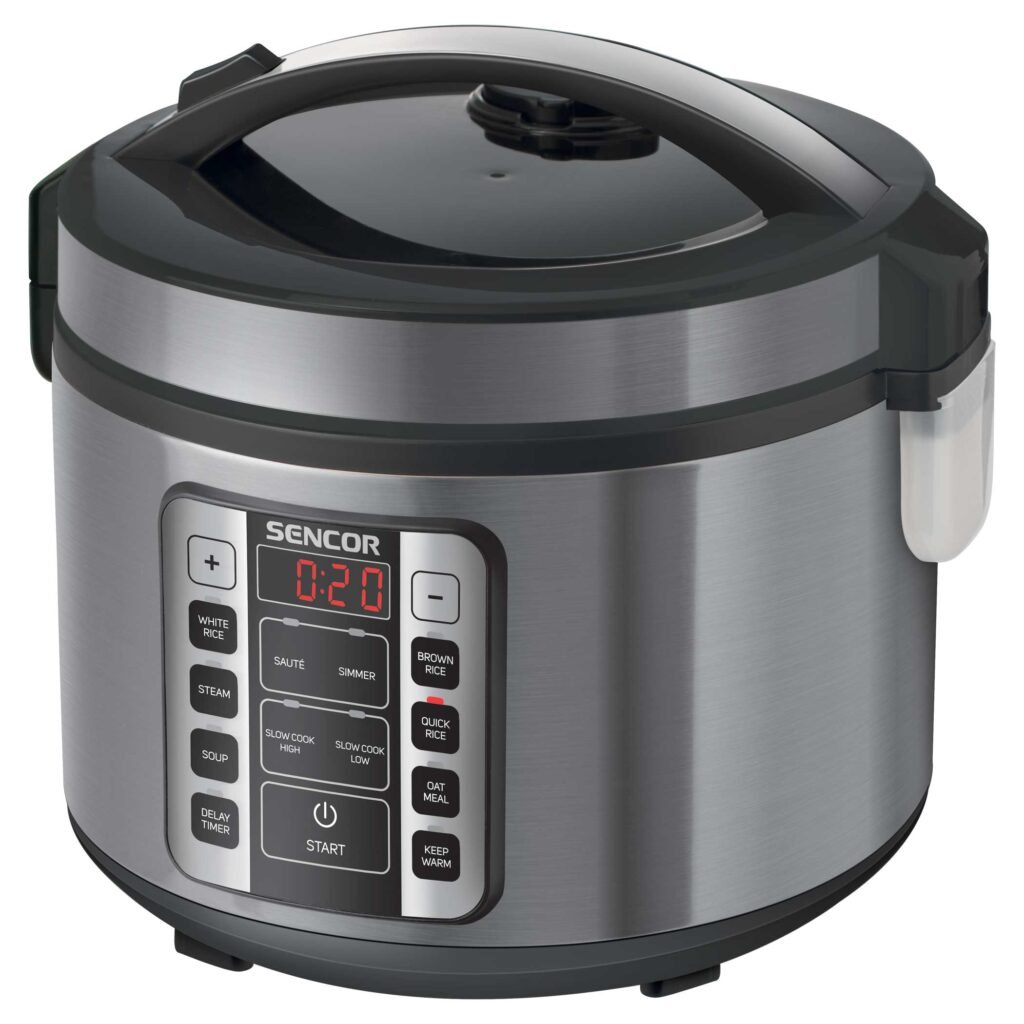
Why Does My Rice Cooker Burn Rice at the Bottom?
A rice cooker is a convenient kitchen appliance designed to make cooking rice effortless. However, it can be frustrating when your rice cooker burn rice at the bottom, especially after you’ve followed all the steps precisely. If you’ve been struggling with burnt rice, you are not alone! Let’s explore the possible reasons behind this issue and how to prevent it.
1. Incorrect Rice-to-Water Ratio
One of the most common reasons for rice burning in a rice cooker is using the wrong rice-to-water ratio. Rice requires a specific amount of water to cook properly, and this varies depending on the type of rice. If you use too little water, the rice will dry out before it’s fully cooked, which can lead to burning at the bottom.
Solution:
- Follow the recommended ratio provided by the rice cooker manufacturer or the rice package. Generally, for white rice, it’s about 1 cup of rice to 1.5 cups of water, but this can vary based on the type of rice and your specific rice cooker.
- Always check the rice-to-water instructions on the label if you’re cooking a specific variety like jasmine, basmati, or brown rice.
2. Using High Heat Settings
Some rice cookers come with a variety of settings to adjust cooking times. If your rice cooker has multiple settings, using a high heat setting might cause the rice to burn at the bottom. This is because the cooker cooks too quickly, which can result in water evaporating before the rice fully absorbs it, leading to the rice at the bottom being exposed to direct heat for too long.
Solution:
- Use the correct cooking setting for the type of rice you’re preparing. For example, choose the “white rice” setting for white rice and the “brown rice” setting for brown rice. These settings are designed to cook rice slowly and evenly.
- Avoid using a high heat setting unless absolutely necessary.
3. Dirty Rice Cooker or Pot
Over time, rice cookers can accumulate a layer of burned rice or other debris inside the pot. This layer can cause the rice at the bottom to burn, especially if it’s not cleaned thoroughly between uses. Additionally, any buildup in the cooker could affect the heat distribution.
Solution:
- Always clean the inner pot and the rice cooker after each use. Pay special attention to the heating element and any areas that may have food residue.
- Make sure there is no buildup on the rice cooker’s heating plate or the bottom of the inner pot.
4. Overfilling or Underfilling the Cooker
Rice cookers are designed to handle a certain amount of rice. Overfilling or underfilling your rice cooker can cause uneven cooking, leading to burnt rice at the bottom. When you overfill, there may not be enough water to cook the rice properly, and when you underfill, the cooker may get too hot before the rice is finished cooking.
Solution:
- Avoid overfilling or underfilling the rice cooker. Stick to the recommended capacity, usually marked inside the pot or specified in the manual.
5. Using Old or Stale Rice
Old rice that has been sitting in your pantry for a long time can absorb moisture, which can make it cook differently. Rice that’s too dry or has absorbed too much moisture from the air might cook unevenly, leading to the bottom layer burning.
Solution:
- Use fresh rice that’s stored in an airtight container to maintain its moisture content.
- If you have to use older rice, consider adding a little more water to compensate for any dryness.
6. Inefficient Heating Element
In some cases, the issue might not lie with your cooking methods but rather with the rice cooker itself. If the heating element of the rice cooker is faulty, it can cause uneven heating, concentrating too much heat at the bottom and burning the rice.
Solution:
- Inspect the rice cooker’s heating element for any visible signs of damage or wear. If the appliance is still under warranty, contact the manufacturer for a replacement or repair.
- If the rice cooker is old and the heating element is malfunctioning, it might be time to replace the unit.
7. Not Letting the Rice Rest
Once the rice cooker finishes cooking, some people open the lid immediately to check the rice. However, the rice needs to sit for a few minutes to finish absorbing any remaining water and to allow the moisture to redistribute evenly. Opening the lid too early can expose the rice at the bottom to high heat, causing it to burn.
Solution:
- Allow the rice to rest for about 5–10 minutes after the cooking cycle is complete. This helps redistribute the heat and moisture, leading to fluffier rice without burning.
8. Using the Wrong Type of Rice Cooker
Not all rice cookers are created equal. Some rice cookers are designed for specific types of rice or have better heat distribution mechanisms. For example, a rice cooker that’s designed for small batches of rice may not perform well when cooking larger amounts, causing the rice at the bottom to burn while the rice on top remains undercooked.
Solution:
- Invest in a high-quality rice cooker that’s well-suited for your cooking needs. Some models come with advanced features such as fuzzy logic, which automatically adjusts cooking times and temperatures for different types of rice.
9. Temperature Fluctuations
Sometimes, fluctuations in the power supply or a sudden drop in temperature in your kitchen can cause uneven cooking. If the temperature inside the rice cooker varies, the rice can cook unevenly, leading to the rice at the bottom burning before the rice on top is fully cooked.
Solution:
- Try to use your rice cooker in a stable, temperature-controlled environment to avoid fluctuations in cooking conditions.
- Make sure that the rice cooker is plugged into a socket that provides consistent power.
10. Cooking Rice at High Altitudes
If you live at a high altitude, the boiling point of water is lower, meaning water evaporates faster than it would at sea level. This can lead to insufficient water during the cooking process, causing the rice at the bottom to burn.
Solution:
- If you’re cooking rice at a high altitude, add extra water to compensate for the faster evaporation.
- Some rice cookers come with a high-altitude setting that adjusts the cooking time and temperature accordingly.
Conclusion
Burning rice at the bottom of your rice cooker can be a frustrating experience, but by addressing the above potential causes, you can avoid this issue and enjoy perfectly cooked rice every time. By paying attention to the rice-to-water ratio, cleaning your rice cooker regularly, and using the correct settings, you can significantly reduce the chances of burning rice. If all else fails, consider upgrading your rice cooker or seeking professional assistance if your appliance is malfunctioning.
With a little practice and attention to detail, your rice cooker can become your best kitchen companion, making cooking rice simple and hassle-free.